
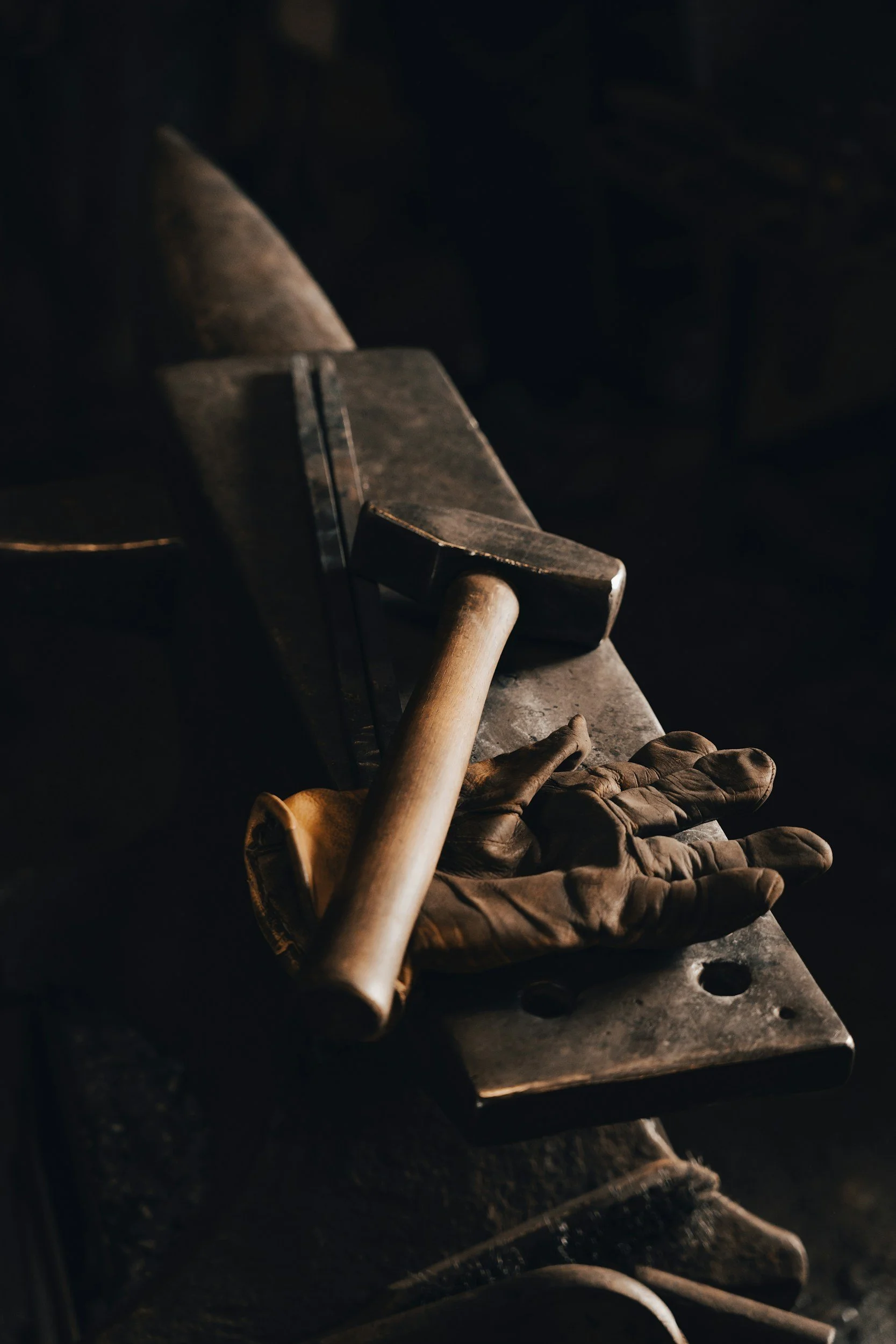
What to Expect in Your First Knifemaking Class.
Thinking about trying a knife making class but not sure what to expect? This guide walks you through your first workshop; from the tools you’ll use to the skills you’ll learn, so you can arrive confident, prepared, and ready to make something you’ll be proud of.
If you’ve ever thought about taking a knife making class but hesitated because you didn’t know what to expect, you’re not alone.
This guide is written specifically for first-timers; people who are curious about blacksmithing but unsure whether they have the experience, strength, or confidence to step into a forge.
Here’s exactly what happens in a beginner knife making class, how prepared you need to be, and why so many people leave wondering why they didn’t do it sooner.
Who Knifemaking Classes Are For
A common misconception is that knife making classes are only for experienced makers or “hands-on” people.
In reality, most participants:
Have no prior blacksmithing experience
Have never used a forge or an anvil
Are doing the class as a gift or bucket-list experience
Want to learn something practical, creative, and memorable
Classes are designed to meet you where you are, not test what you already know.
What a Beginner Knifemaking Class Actually Looks Like
While every workshop is slightly different, most beginner knife making classes follow a similar structure focused on safety, learning, and hands-on creation.
You can expect the day to include:
A safety briefing and introduction to the tools
An overview of the knife you’ll be making
Step-by-step guidance through each stage of the process
One-on-one support while you work at the forge and bench
Time to refine, finish, and personalise your knife
You’re not left to “figure it out.” Instruction is constant and intentional.
Will I Actually Make a Knife?
Yes - you leave with a completed, functional knife that you made yourself.
Beginner classes are structured to ensure you:
Shape the blade
Fit and finish the handle
Understand why each step matters
Walk away with something you’re proud to use or gift
This isn’t a demonstration. You’re actively involved from start to finish.
Do I Need to Be Strong or Handy?
Nope. Technique matters far more than strength, and everything is taught with beginners in mind.
Tools, processes, and pacing are chosen to suit people who may never have done anything like this before. If you can listen, ask questions, and enjoy learning, you’ll do just fine.
What Should I Wear or Bring?
Most workshops provide everything you need.
Typically, you’ll be asked to:
Wear closed-in shoes
Dress in comfortable clothing you don’t mind getting a little dusty
Tie back long hair and avoid loose accessories
All tools, materials, and safety equipment are supplied.
Is It Safe for Beginners?
Safety is built into every part of our professionally run knifemaking class.
This includes:
Clear safety instruction before tools are used
Supervised work areas
Controlled class sizes
Instructor guidance at every stage
Beginners are never rushed or put into situations they’re not ready for.
Why People Love Their First Knifemaking Class
For many participants, their first class becomes a turning point.
People often describe it as:
Surprisingly calming and focused
Deeply satisfying
More achievable than expected
Something they’d happily do again
There’s a unique confidence that comes from learning a real skill and creating something tangible with your hands.
Is a Knifemaking Class Worth It?
If you value experiences over things, the answer is usually yes. A knife making class gives you:
A new skill
A handcrafted item with personal meaning
A deeper appreciation for the craft
A memory that lasts well beyond the day
It’s not just about the knife, it’s about the process.
Ready to Try It Yourself?
If you’re curious to experience it for yourself, you can explore upcoming workshops and find a class that suits you.
Internal links
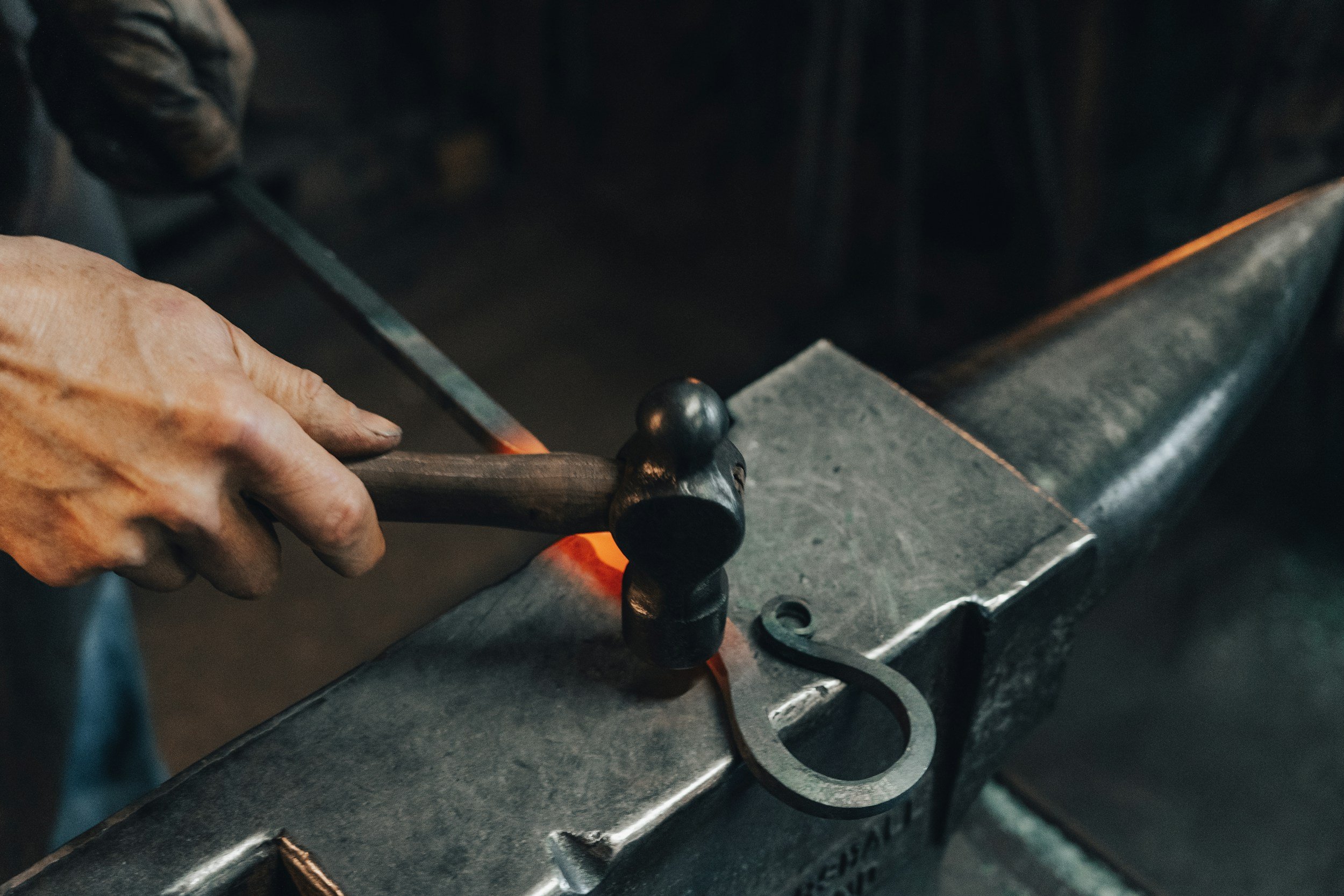
Do You Need Experience to Make a Knife?
Thinking about a knife making class but unsure if you need experience? This guide explains how beginner knife making classes are designed for first-timers, what you’ll actually learn, and why no prior skills are required to make a knife you’ll be proud of.It All Begins Here
One of the most common questions people ask before booking a knifemaking class is simple:
“Do I need experience to do this?”
The short answer is no. The longer answer is why knife making classes are intentionally designed for people who have never stepped into a forge before.
This guide explains what “no experience required” actually means, how beginner classes are structured, and why first-timers often get some of the best results.
Why This Question Comes Up So Often
Knife making looks intimidating from the outside.
Fire, steel, hammers, grinders; it’s easy to assume you need prior skills, strength, or a technical background just to keep up.
In reality, most people asking this question are:
Booking their first hands-on making experience
Buying a gift and worried the recipient won’t cope
Curious but nervous about “getting it wrong”
Comparing workshops and trying to avoid a bad experience
It’s a reasonable concern that good workshop’s are built to eliminate.
Beginner Knifemaking Classes Are Designed for Zero Experience
A properly run knifemaking class assumes you are starting from scratch.
That means:
No prior tool knowledge expected
No blacksmithing background required
No pressure to perform or “keep up”
Everything is taught step by step, with instructors demonstrating each process before you attempt it yourself.
You’re learning as you go, not being tested on what you already know.
What You’re Actually Learning (and Why Experience Isn’t Required)
Knife making in a class environment isn’t about mastering everything at once. It’s about learning just enough of each stage to understand the process and complete a knife successfully.
Beginner classes typically focus on:
Understanding how hot steel moves (it’s literally just hot play-doh)
Learning basic hammer control
Shaping a blade safely and accurately
Understanding why each step matters
You don’t need experience, you need guidance. That’s what the class provides.
Will I Be Slowing Everyone Else Down?
This is another common concern, especially for people booking solo or as part of a gift.
The answer is no. Classes are structured so that:
Everyone works at an appropriate pace
Instruction is ongoing, not one-off
Questions are expected and encouraged
No one is rushed through a process they don’t understand
There’s no glass ceiling in the forge. You are your only limit.
What If I Make a Mistake?
Mistakes are part of learning, and beginner classes are designed with that in mind.
Processes are chosen so that:
Adjustments can be made as you go
Instructors step in before small issues become big ones
You’re guided toward a finished result you’re happy with
You won’t leave with a half-finished project or something you’re disappointed in.
Is Knifemaking Suitable If I’m “Not Creative”?
Absolutely.
Knifemaking is a structured craft, not abstract art. You’re working within proven shapes, materials, and processes that support good outcomes.
Creativity comes in through:
Handle materials and finishes
Subtle shaping choices
Personalisation and final details
Many people who don’t consider themselves creative are surprised by how natural the process feels.
Why First-Timers Often Get the Most Out of It
People with no prior experience tend to:
Listen closely to instruction
Follow processes step by step
Ask questions without assumptions
Trust the learning curve
This often leads to excellent results and a far deeper appreciation for the craft.
Is Experience Ever Required?
Experience becomes useful but not essential in intermediate or multi-day courses, where you’re refining technique rather than learning fundamentals.
That’s why many people start with a beginner knife making class before progressing to more advanced workshops later.
So, Do You Need Experience to Make a Knife?
No. You need curiosity, patience, and a willingness to learn.
Everything else (tools, materials, instruction, and support) is provided.
Thinking About Giving It a Go?
If you’ve been waiting until you felt “ready,” this is your sign that you already are.
You can explore beginner-friendly knife making classes and upcoming dates here.